



Analytical Testing & Methods — Lubricants
Analytical Testing & Methods — Lubricants
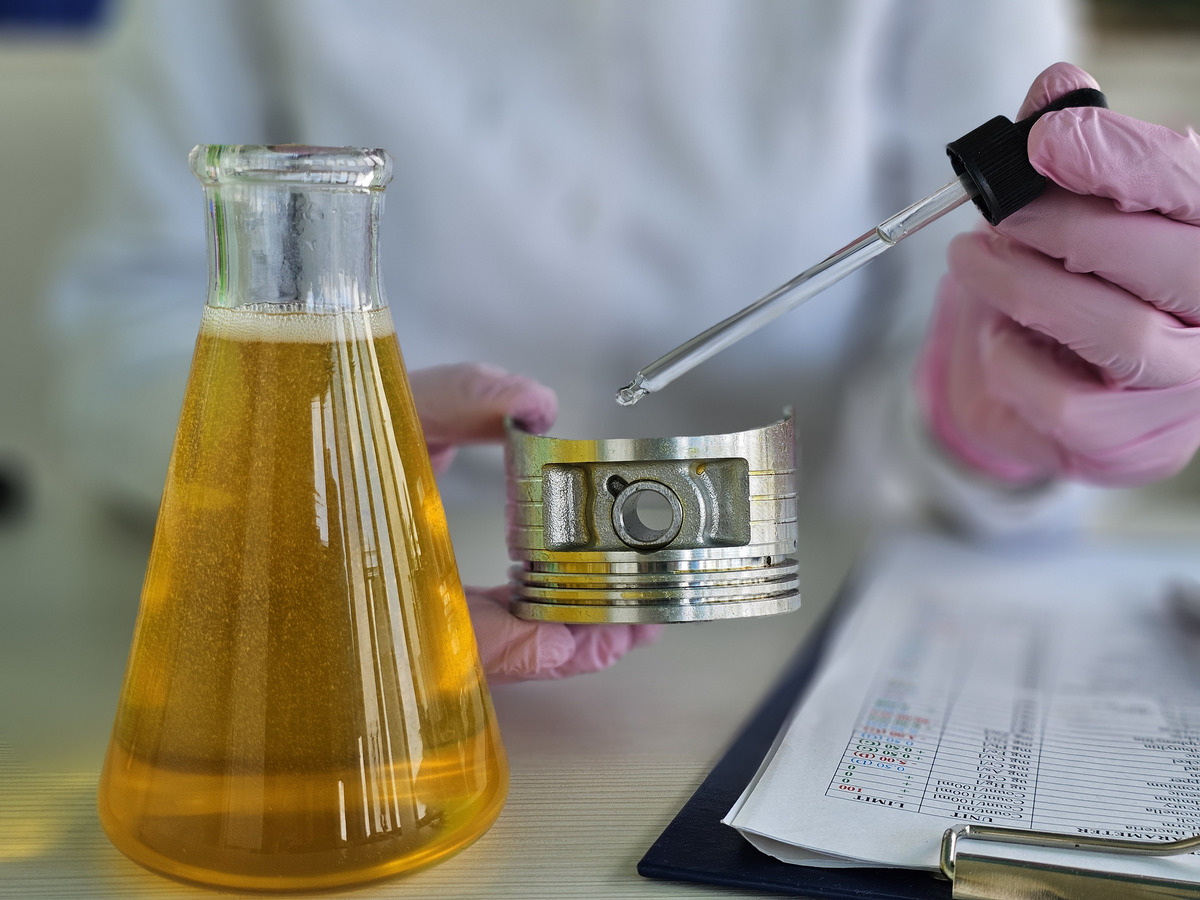
We quantify composition and performance using recognized ASTM/ISO methods and calibrated instrumentation. Results are traceable, reproducible, and suitable for release testing, condition monitoring, and dispute resolution.
- Viscosity @40/100°C (ASTM D445), Viscosity Index (ASTM D2270)
- Pour Point (ASTM D97), Cloud Point (ASTM D2500), Flash Point COC (ASTM D92)
- Total Acid Number (ASTM D664) / Total Base Number (ASTM D2896)
- Oxidation stability RPVOT (ASTM D2272), FTIR oxidation/nitration/sulfation
- Noack Volatility (ASTM D5800), Evaporation loss (as applicable)
- Foaming (ASTM D892), Air Release (ASTM D3427), Demulsibility (ASTM D1401)
- Copper Strip Corrosion (ASTM D130), Rust Prevention (ASTM D665)
- Water by Karl Fischer (ASTM D6304), Particle Count (ISO 4406)
- Wear metals and contaminants by ICP-OES (Fe, Cu, Pb, Si, Na, etc.), PQ index
Analytical Testing & Methods — Greases
Analytical Testing & Methods — Greases
- Worked Penetration (ASTM D217), Dropping Point (ASTM D2265)
- Four-Ball Wear/EP (ASTM D2266 / D2596)
- Oil Separation (ASTM D6184), Water Washout (ASTM D1264)
- Roll Stability (ASTM D1831), Copper Corrosion (ASTM D4048)
- Oxidation Stability (ASTM D942), EMCOR Rust (ASTM D6138)
Oil Condition Monitoring (OCM)
Oil Condition Monitoring (OCM)
OCM turns lab data into maintenance action. We build equipment-specific alert limits, trend key parameters, and provide plain-language diagnostics to prevent failures and extend asset life.
- Program design by asset class (turbines, compressors, hydraulics, gearboxes, engines, wind)
- Parameter sets: viscosity, TAN/TBN, oxidation/nitration (FTIR), water, particle count/ISO code, wear metals (ICP), PQ index
- Actionable reports: severity flags, likely causes (ingress, misalignment, wrong oil), and recommended next steps
- Kits, sampling SOPs, and logistics with chain-of-custody tracking
Automotive & Engine Testing
Automotive & Engine Testing
From standardized engine tests to durability and endurance studies, we support development and verification of lubricant performance for gasoline and diesel applications.
- Bench and engine tests aligned to relevant OEM and industry protocols
- Friction, wear, and deposit evaluations; cleanliness and sludge metrics
- Fuel and lubricant compatibility, elastomer/seal compatibility studies
Regulatory Compliance & Documentation
Regulatory Compliance & Documentation
We execute right-sized regulatory pathways for new and existing lubricant products across jurisdictions.
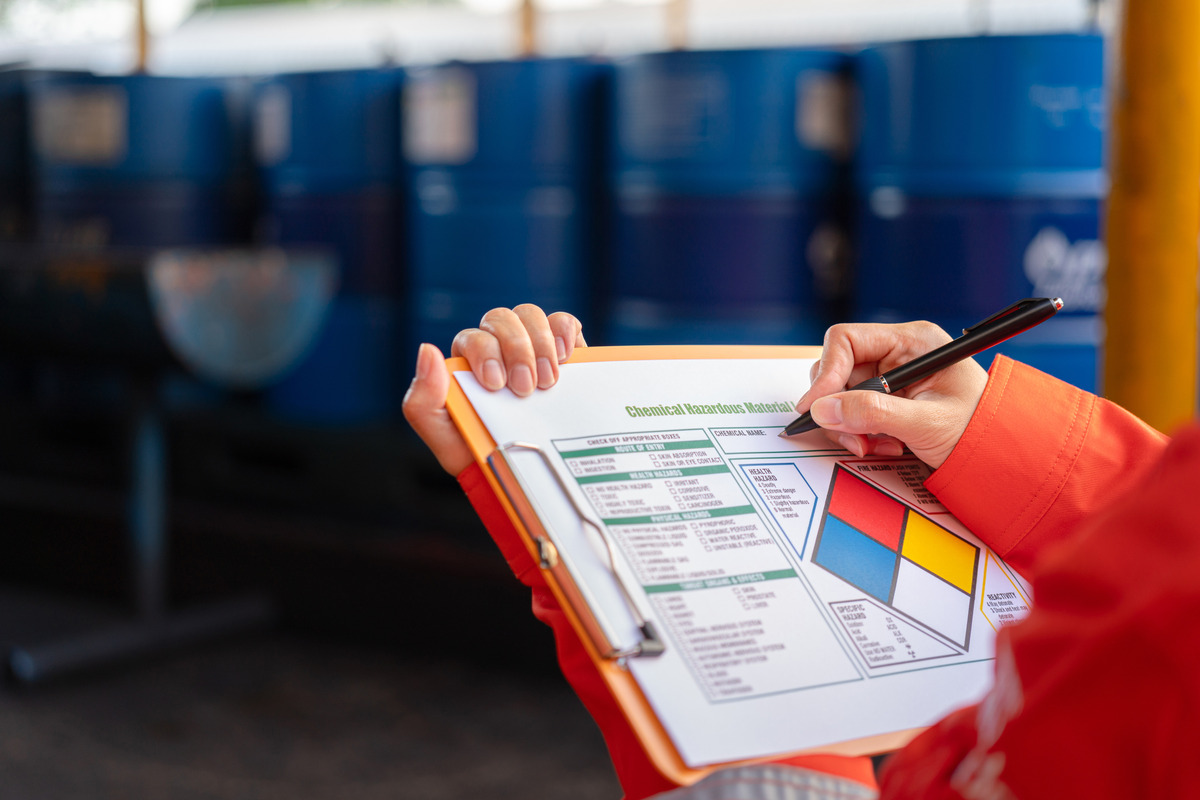
- REACH, CLP/GHS, TSCA classifications, labeling, and Safety Data Sheets (SDS)
- Dossier development, registration support, and maintenance/updates
- Read-across, waivers, and data-gap strategies with weight-of-evidence
Cargo Inspection & Trade Support
Cargo Inspection & Trade Support
Independent inspectors verify quality, purity, and quantity for base oils, additives, and finished lubricants at custody transfer—reducing disputes and protecting value.
- Sampling, sealing, and strict chain-of-custody documentation
- Specification checks, contamination screening, and reconciliation at loading/discharge
- CoAs and event reports recognized by regulators and trade counterparties
What You Can Expect
What You Can Expect
- Fast turnaround: many results in 24–48 hours; expedited options available
- Transparent reporting: secure digital CoAs and OCM dashboards
- Standards-first methods: ASTM, ISO, and OEM protocols where applicable
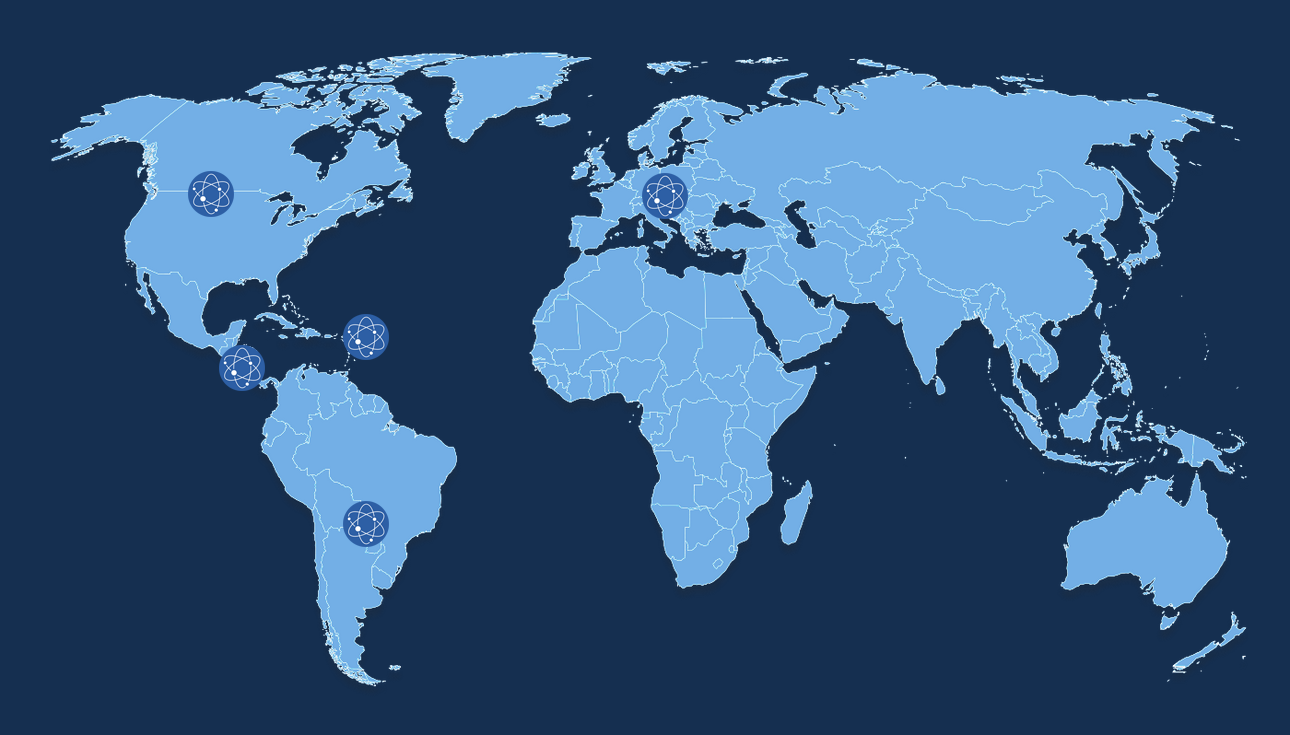
- On-site expertise: local teams at plants, ports, terminals, and storage hubs worldwide
- Strict chain of custody from sampling through final reporting
Why Camin
Why Camin
- ISO/IEC 17025–accredited laboratories across 30+ countries
- Lubrication engineers, tribologists, analytical chemists, and inspectors
- Verified independence for impartial results and reduced dispute risk
- Operational efficiency that cuts dwell time, downtime, and time-to-market
Who We Support
Who We Support
- Industrial plants (power generation, mining, cement, pulp & paper, steel)
- Marine and offshore operators
- Transportation fleets (rail, trucking, heavy equipment)
- Automotive OEMs, blenders, and formulators
- Wind turbines and renewable assets