


Combustion, Hybrid & Alternative Powertrains
Combustion, Hybrid & Alternative Powertrains
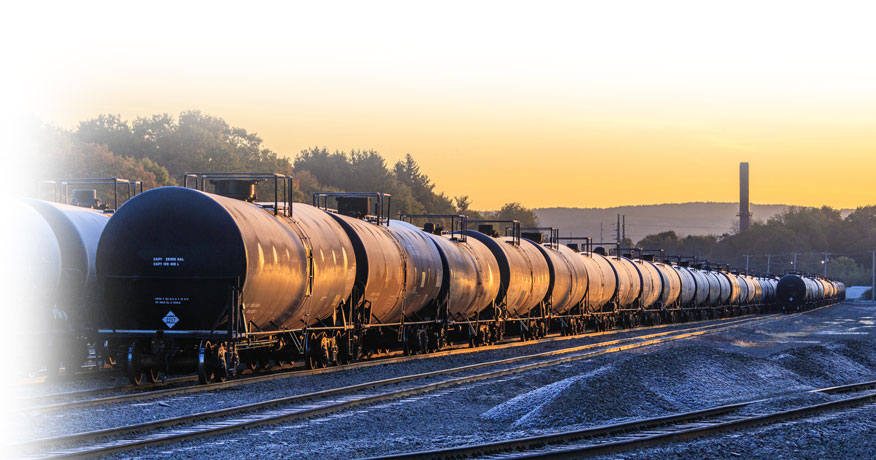
Internal-combustion engines and hybrids are still doing the heavy lifting in many fleets. At the same time, alternative fuels and new lubricants are reshaping how powertrains are designed and maintained.
Camin helps you understand how fuels and lubricants behave in real engines and real duty cycles:
- Engine & driveline durability testing – Deposit formation, wear, and long-term performance under realistic load profiles.
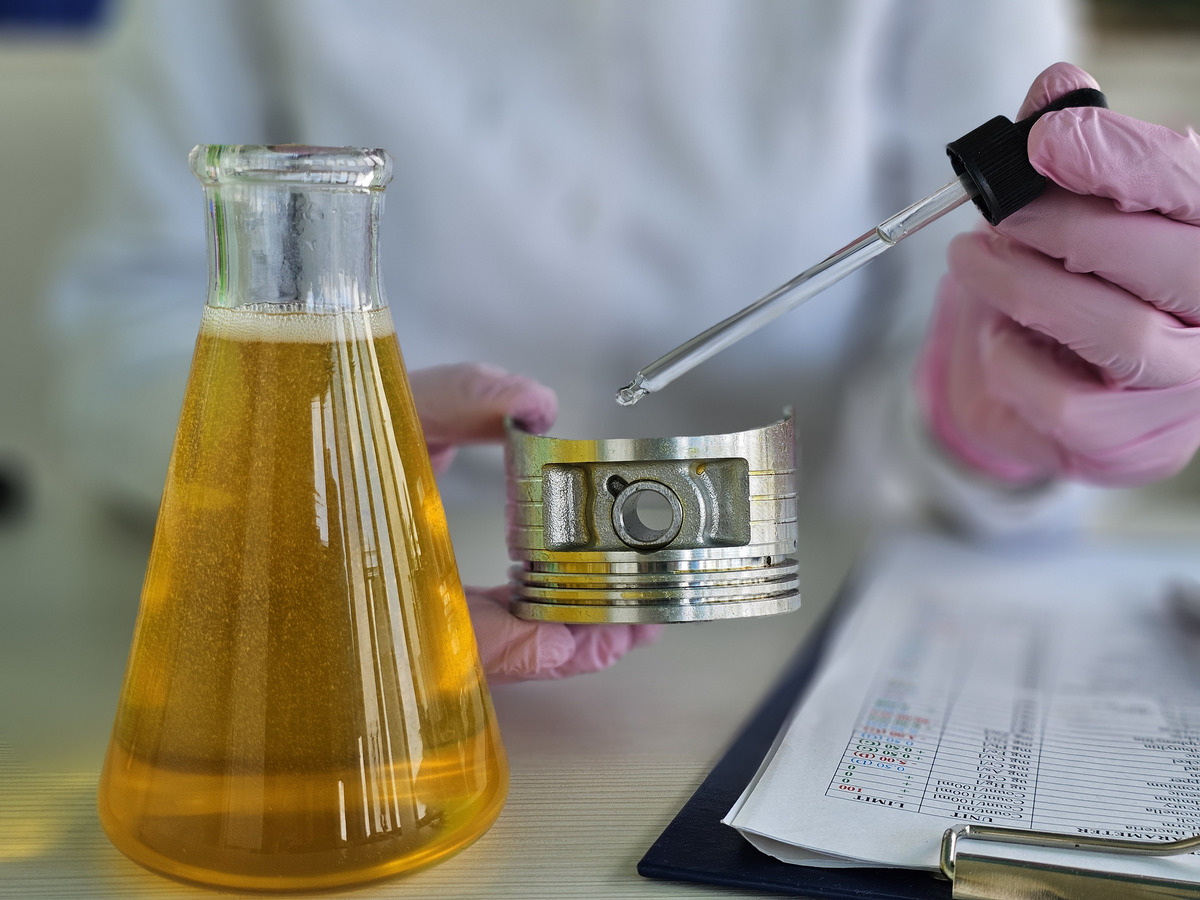
- Fuel and lubricant performance – Cold-start behavior, volatility, oxidative stability, cleanliness, and emissions impacts.
- Alternative fuel compatibility – Renewable diesel, biodiesel, SAF-related streams, and other low-carbon fuels evaluated for material compatibility and field readiness.
Our roots in energy and commodities mean we understand both sides of the equation: what’s coming out of the refinery and what your engine actually sees on the road.
Electric, Hybrid & Battery Systems
Electric, Hybrid & Battery Systems
As EV and hybrid adoption accelerates, battery performance, safety, and durability are under intense scrutiny from regulators and customers alike.
Camin supports the full EV ecosystem—vehicle manufacturers, pack designers, and fluid and component suppliers—with services such as:
- Cell, module, and pack testing – Performance, cycle life, abuse, and environmental testing to relevant international and OEM standards.
- EV and e-axle fluids testing – Dielectric strength, thermal management performance, material compatibility, and aging behavior.
- Charging and power systems evaluation – Verification of electrical safety, functional performance, and robustness against real-world operating conditions.
We help you quantify risk, validate design choices, and generate the technical evidence you need for safe, reliable electric mobility.
Materials, Systems & Components
Materials, Systems & Components
Modern vehicles depend on complex material systems: lightweight alloys, engineered plastics, composites, coatings, adhesives, and electronic assemblies. When any one of these fails, the entire vehicle is at risk.
Camin offers:
- Materials characterization – Mechanical, thermal, and chemical testing for metals, polymers, elastomers, and composites.
- Environmental & durability testing – Corrosion, thermal cycling, humidity, vibration, and combined-stress testing that replicates years of field exposure.
- Component & subsystem testing – From lighting and interior components to pumps, valves, hoses, and sensors, evaluated to OEM and regulatory requirements.
The result: you know which designs will last, which suppliers are meeting spec, and where you need to act before issues reach consumers.
Software, Electronics & Connected Vehicle Assurance
Software, Electronics & Connected Vehicle Assurance
Vehicles are now rolling networks. Safety-critical software, sensors, and connectivity bring new failure modes—and new regulatory expectations.
Camin supports:
- Electronic and EMC testing – Ensuring control units, sensors, and power electronics perform reliably in harsh electrical environments.
- Functional safety and cybersecurity evaluation – Testing and advisory aligned with emerging best practices for ADAS, connectivity, and OTA updates.
We translate complex automotive electronics and software requirements into practical test plans and clear risk assessments.
Why Automotive Companies Choose Camin
Why Automotive Companies Choose Camin
- Standards-first mindset – We build every project on the relevant regulations, OEM specifications, and industry standards, then tailor around your products.
- Plain-English technical authority – We don’t just hand you a data dump. We explain what happened, why it matters, and what to do next.
- Defensible data, trusted decisions – Traceable sampling, robust QA systems, and accredited methods where required mean your results stand up in audits, disputes, and regulatory reviews.
- Operational agility – Responsive scheduling, realistic timelines, and project managers who understand how development programs actually run.
- Cross-sector insight – Our work in fuels, renewable feedstocks, and energy infrastructure gives you a broader view of how tomorrow’s vehicles will really be powered.