


Sector Coverage
Sector Coverage
- Upstream: exploration/appraisal, drilling/completions, flowback/production chemistry, well integrity
- Midstream: pipelines, terminals, storage (tanks, caverns), metering/calibration, custody transfer
- Downstream: refining, blending, distribution, retail, and aviation fuels, marine bunkers
- Decommissioning: planning, hazardous area classification, asset cleaning/verification, waste streams
- Low‑carbon and transition: hydrogen readiness, CO₂/CCUS interfaces, flare/vent reduction, energy management
Testing & Methods (Selected)
Testing & Methods (Selected)
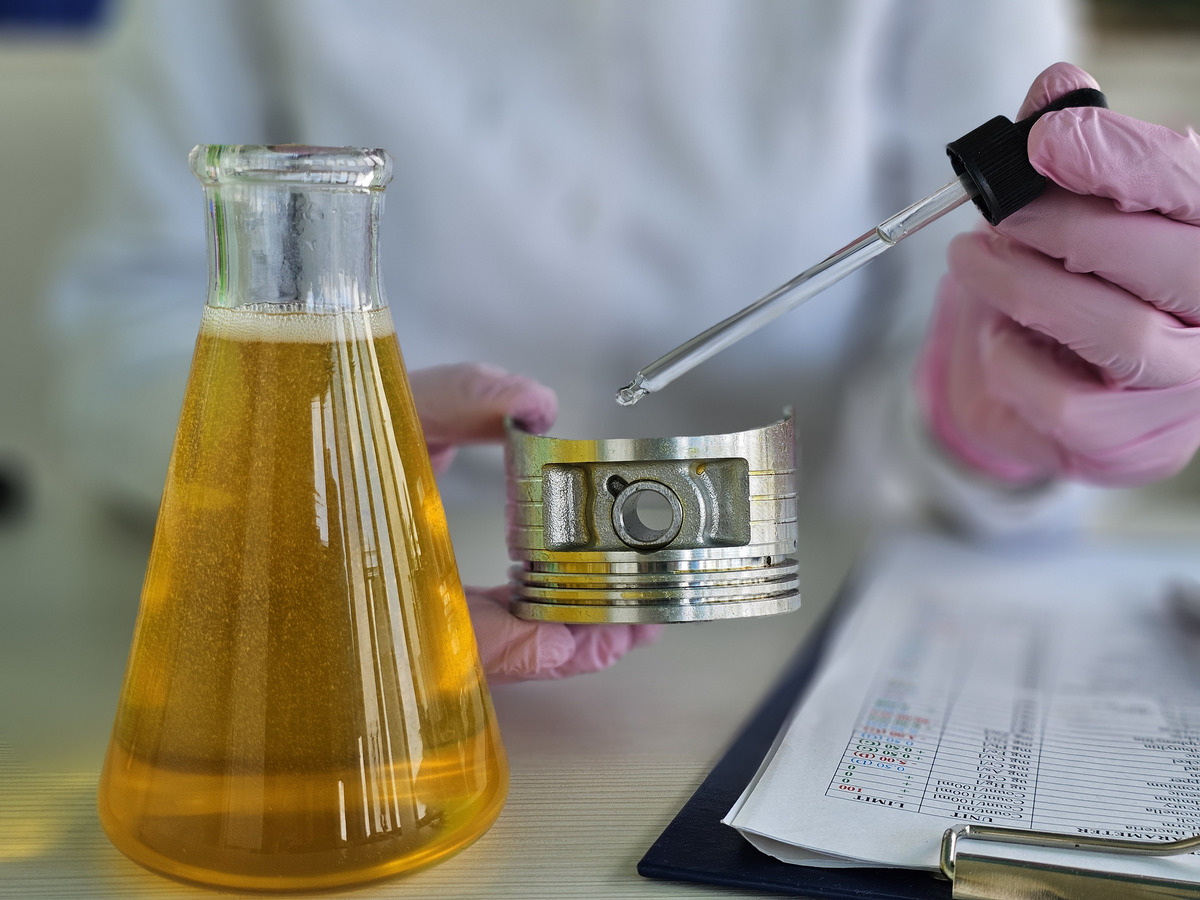
- Fuels: distillation (ASTM D86), density (ASTM D4052), flash point, cold‑flow (D6371 CFPP, D4539 LTFT), lubricity (D6079 HFRR)
- Crude and components: TBP/true boiling point, SARA, TAN/TBN, metals (ICP), sulfur/nitrogen (combustion)
- Jet fuel: thermal stability, freeze point, conductivity, MDA and FAME carryover checks
- Gas analysis: BTU value, Wobbe index, H₂S/mercaptans, dew point; GC methods
- Contamination and compatibility: particulates, water, micro, filterability, interfacial tension
- Environmental: VOCs, effluents, produced water chemistry, waste classification
Decommissioning & Late‑Life Assets
Decommissioning & Late-Life Assets
We help operators retire assets safely and efficiently while minimizing regulatory and commercial risk.
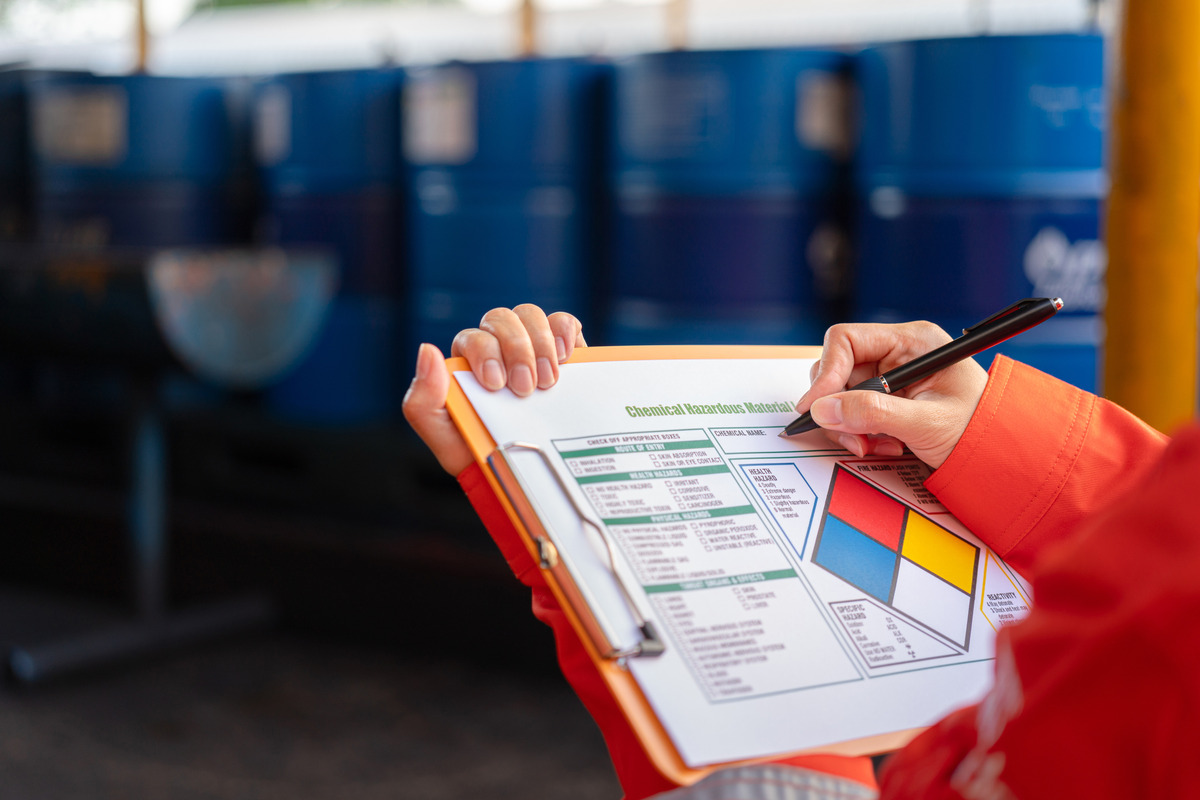
- Hazard identification and isolation plans; inerting/cleaning verification
- Materials inventory, waste profiling, and route‑to‑disposal documentation
- Structural integrity checks and environmental baseline/closure sampling
Sustainability & Energy Transition
Sustainability & Energy Transition
Align hydrocarbon operations with ESG goals using practical monitoring and certification options.
- GHG accounting support and product carbon‑intensity calculations (as applicable)
- Flaring/venting reduction strategies and leak detection programs
- Readiness assessments for hydrogen blending and CCUS interfaces
What You Can Expect
What You Can Expect
- Fast turnaround: many results and certificates in 24–48 hours; expedited options available
- Transparent reporting: secure digital CoAs, inspection reports, and calibration certificates
- Standards‑first methods: ISO/IEC 17025 where applicable; ASTM/ISO and sector codes/standards
- On‑site expertise: local teams at fields, terminals, refineries, ports, and offshore
- Strict chain of custody from sampling through final reporting
Why Camin
Why Camin
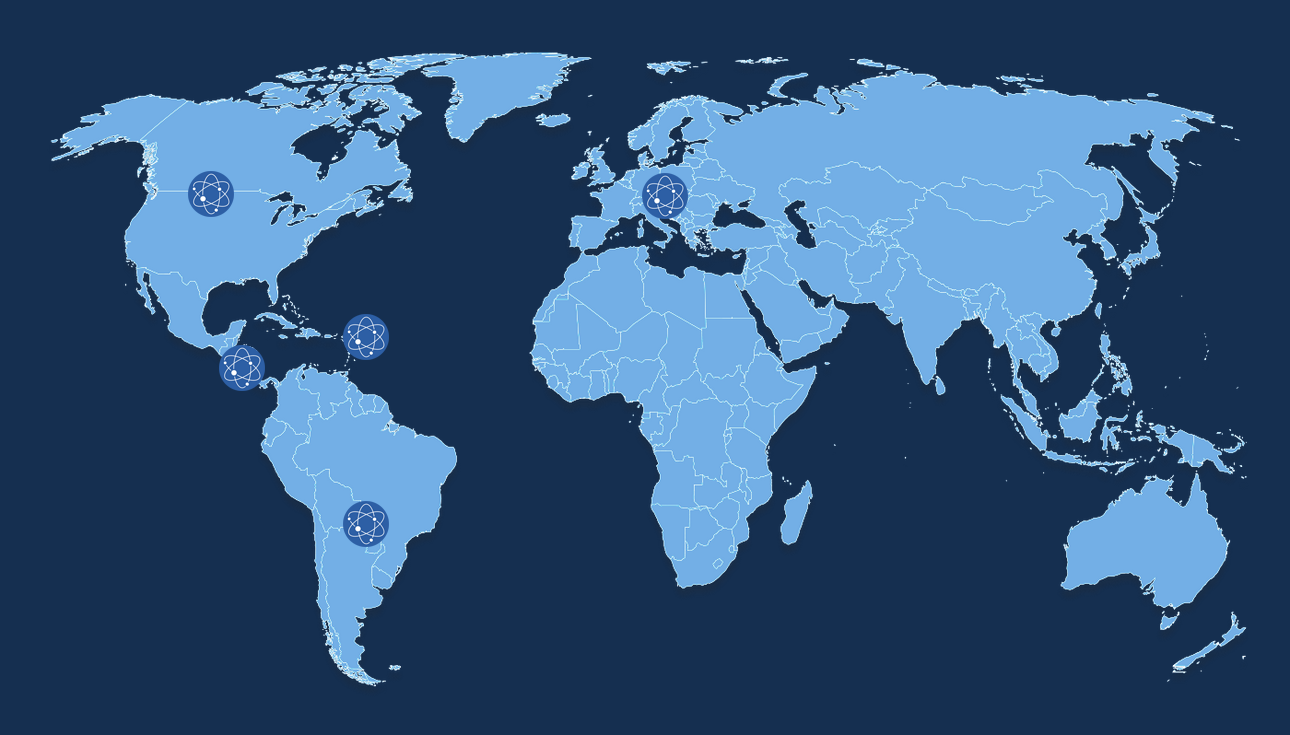
- ISO/IEC 17025–accredited laboratories across 30+ countries
- Chemists, inspectors, metrology specialists, safety engineers, and metallurgists
- Verified independence for impartial results and reduced dispute risk
- Operational efficiency that cuts dwell time, demurrage, and time‑to‑cash
Who We Support
Who We Support
- Exploration & production companies and service providers
- Pipeline/terminal operators and storage networks
- Refineries, blenders, marketers, and retailers
- Marine/aviation fuel suppliers and bunkering firms
- Traders, banks, and insurers